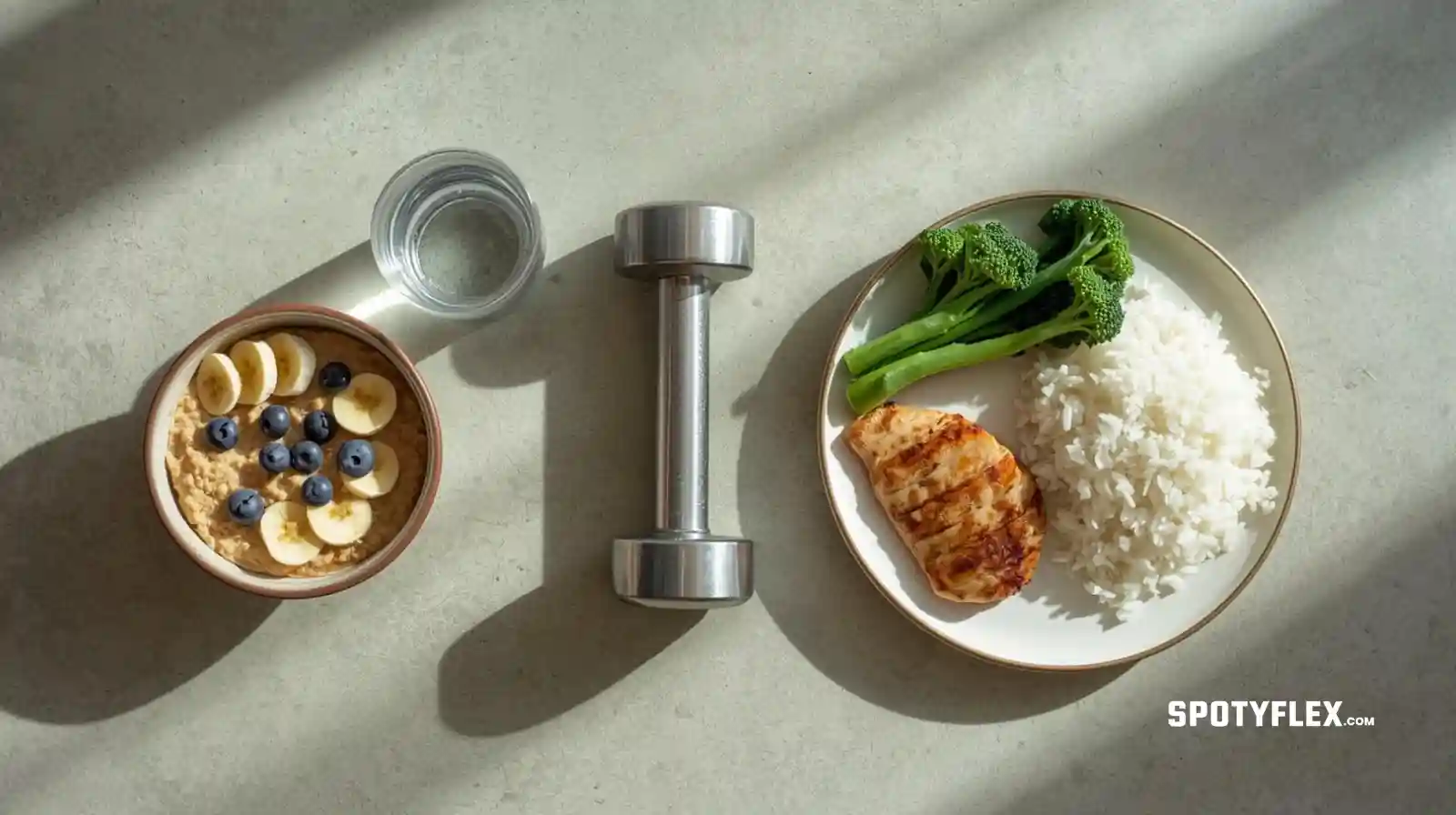
Most nutrition advice online sounds the same: eat clean, get your protein, avoid junk. That's not wrong — it's just not enough. Understanding why specific foods work, and what they actually do inside your body, is what turns generic healthy eating into a real performance advantage.
Fitness isn't only about what you do in the gym. What you eat between sessions determines how fast your muscles rebuild, how much energy you have for your next session, and how your body composition changes over time. The difference between someone who trains consistently and sees results versus someone who trains just as hard and plateaus is often food quality and consistency — not effort.
These 10 foods are here because the research and practical evidence back them up. Each one does something specific and useful for people who train. This isn't a trendy superfoods list — it's a practical guide to building your nutrition around foods that reliably deliver.
Lean Chicken Breast
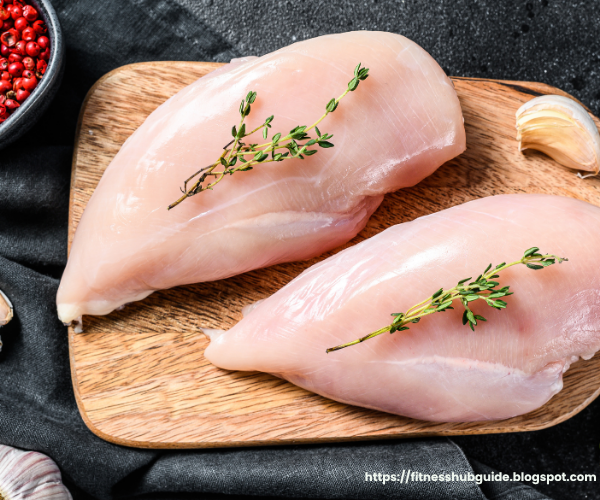
Chicken breast is probably the most reliable protein source in fitness nutrition — and for good reason. Around 31g of protein per 100g, almost zero fat, and it takes on whatever seasoning or cooking method you throw at it. Grilled, baked, stir-fried — it works every time.
The high protein content is what makes it valuable. After training, your muscles are actively breaking down and rebuilding through a process called muscle protein synthesis. This process requires a steady supply of amino acids — specifically leucine, isoleucine, and valine (the branched-chain amino acids) — and chicken breast delivers all of them in significant amounts. Research published in the British Journal of Nutrition consistently shows that athletes need significantly more protein than sedentary individuals to support adaptation, and lean sources like chicken make hitting those targets feasible without overshooting calories.
The practical advantage of chicken breast isn't just nutritional — it's economic and flexible. It's one of the cheapest high-protein foods per gram available, it stores well, and it scales easily to batch cooking. Cook 500–700g on Sunday and you have protein covered for multiple meals throughout the week with no additional effort. Pair it with a complex carb and vegetables and you have a complete performance meal.
Per 100g: ~165 kcal · 31g protein · 3.6g fat
Quinoa
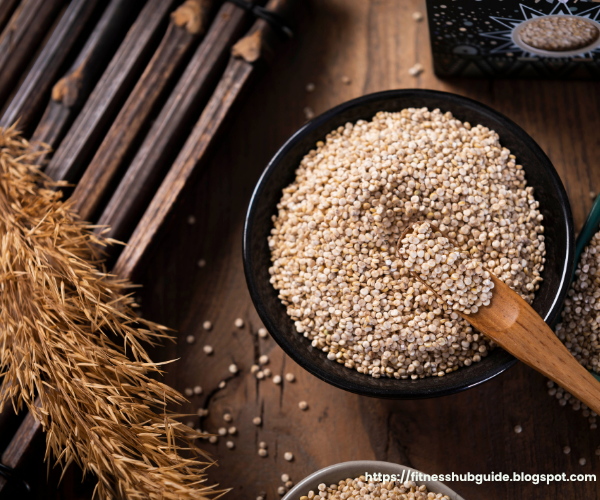
Most grains are incomplete proteins — they're missing one or more essential amino acids. Quinoa is the exception. It contains all nine essential amino acids, which makes it one of the rare plant foods that can meaningfully contribute to muscle protein synthesis, not just fill the carbohydrate slot in your meal.
Beyond protein, quinoa is high in fiber and complex carbohydrates, giving you sustained energy without the blood sugar spike you get from white rice or bread. Its glycemic index is around 53 — notably lower than white rice at 72 — which means the glucose enters your bloodstream gradually, keeping energy levels stable during training rather than peaking and crashing. This matters for session quality, especially in longer workouts or multiple daily training blocks.
Quinoa also contains meaningful amounts of iron, magnesium, and zinc — three minerals that are frequently under-consumed by athletes. Iron is critical for red blood cell function and oxygen transport to muscles. Magnesium supports muscle contraction and sleep quality. Zinc plays a key role in testosterone production and immune function. Use quinoa as a rice substitute, a base for power bowls, or a side dish with protein. It cooks in 15 minutes and keeps well in the fridge for 4–5 days.
Per 100g cooked: ~120 kcal · 4.4g protein · all 9 essential amino acids
Spinach
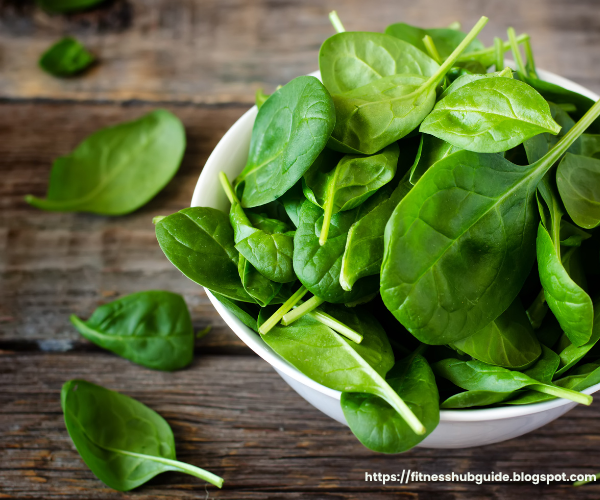
Spinach is one of those foods that punches far above its caloric weight. Almost zero calories, but loaded with iron, calcium, magnesium, and antioxidants — all of which matter directly for athletic performance and recovery.
The iron in spinach supports hemoglobin production, which is how your red blood cells carry oxygen to working muscles. More efficient oxygen delivery during training means more endurance, faster recovery between sets, and less general fatigue. It's worth noting that spinach contains non-heme iron, which is less bioavailable than the heme iron in meat — but pairing it with a vitamin C source (lemon juice, tomatoes, bell peppers) significantly increases absorption.
The antioxidants in spinach — particularly lutein, zeaxanthin, and quercetin — help neutralize the free radicals that build up during intense exercise. Unchecked oxidative stress slows muscle repair and contributes to persistent soreness. Magnesium is also found in meaningful amounts in spinach and plays a role in muscle relaxation, sleep quality, and over 300 enzymatic processes involved in energy production. Add it to smoothies and you won't taste it. Cooked down into eggs, pasta, or rice dishes it becomes nearly invisible and adds zero complexity to meal prep. There's very little reason not to eat it daily.
Key nutrients: Iron · Calcium · Magnesium · Vitamins K, A, C
Greek Yogurt
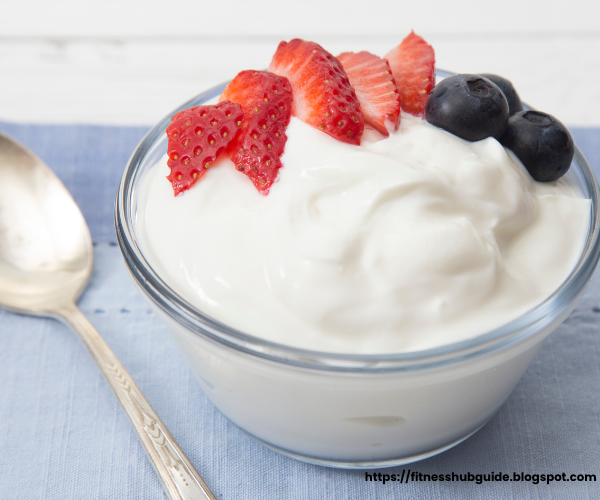
Greek yogurt has roughly twice the protein of regular yogurt — around 10g per 100g — which makes it one of the most efficient protein sources you can eat without cooking anything. It's also rich in casein, a slow-digesting protein that releases amino acids steadily over several hours, unlike whey which absorbs quickly and is largely cleared within 90 minutes.
This slow-release property makes Greek yogurt particularly valuable before sleep. Muscle protein synthesis continues overnight if amino acid availability is maintained, and casein is the best dietary tool for that. Research from Maastricht University has shown that pre-sleep protein intake — particularly casein — significantly improves overnight muscle protein synthesis rates compared to not eating protein before bed. A serving of Greek yogurt with berries before sleep is one of the simplest and most evidence-backed strategies for improving recovery.
The probiotics in Greek yogurt support gut microbiome diversity, which affects nutrient absorption efficiency, immune function, and even inflammation levels. A well-functioning gut absorbs the protein and micronutrients from your other meals more effectively — making gut health a performance variable, not just a wellness trend. Choose full-fat or 2% over zero-fat if you're not in a caloric deficit; the fat improves satiety and vitamin absorption significantly.
Per 100g: ~59 kcal · 10g protein · probiotics · calcium
Sweet Potatoes
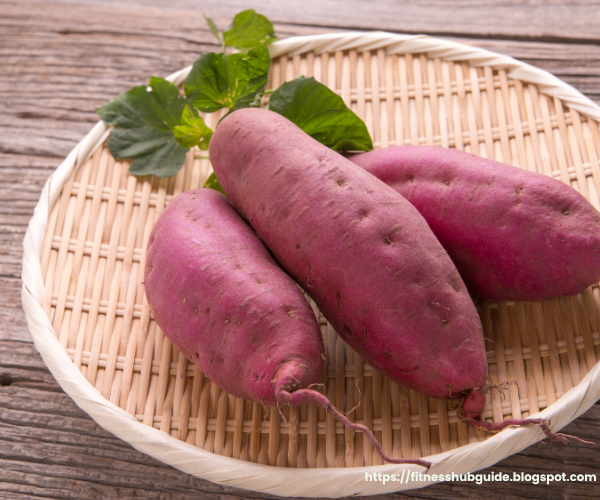
If you need a reliable carb source that won't spike your blood sugar and leave you crashing an hour later, sweet potatoes are it. Their complex carbohydrates digest slowly, keeping energy levels stable for training and throughout the day. The glycemic index of a baked sweet potato sits around 54 — considerably lower than white potato at 78 — making it a more controlled energy source, especially important pre-workout.
They're also loaded with Vitamin A in the form of beta-carotene, Vitamin C, potassium, and fiber. Vitamin A supports immune function and tissue repair. Potassium is an electrolyte that regulates fluid balance and is critical for muscle contraction — low potassium is a common and underappreciated reason for muscle cramping during training. One medium sweet potato (around 150g) provides roughly 15% of your daily potassium needs alongside 4g of fiber, which slows digestion and improves satiety.
From a practical standpoint, sweet potatoes are one of the most forgiving foods to cook. Roast them whole in the oven at 200°C for 45 minutes and you have a complete, filling carb source with zero prep time beyond washing them. They also store well and reheat without losing texture or flavor. Use them pre-workout for fuel or post-workout to replenish glycogen stores alongside your protein source.
Key nutrients: Complex carbs · Vitamin A · Vitamin C · Potassium · Fiber
Almonds
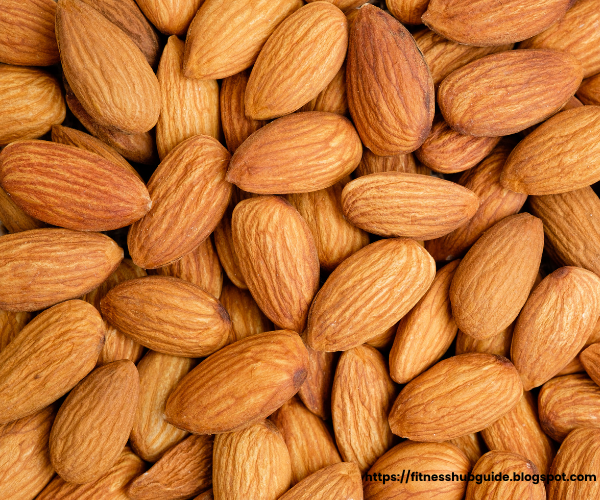
A small handful of almonds — around 30g — delivers healthy monounsaturated fats, 6g of protein, 3.5g of fiber, and a meaningful dose of Vitamin E and magnesium. In terms of nutrient density per calorie, very few snacks come close to raw almonds. They're calorically dense, which means you do need to be aware of serving size if you're in a caloric deficit — but they're also filling enough that a single handful genuinely holds hunger at bay between meals.
Magnesium is particularly important for athletes because it's involved in muscle contraction, ATP energy production, and sleep regulation. Magnesium deficiency is more common than most people realise, especially in those who sweat heavily during training — it's lost through sweat alongside sodium and potassium. Regular almond consumption is one of the easiest ways to support magnesium intake without supplementation.
Vitamin E acts as a fat-soluble antioxidant that protects cell membranes — including muscle cell membranes — from oxidative damage during intense exercise. Research in Physiological Reviews has highlighted the role of antioxidants in managing exercise-induced oxidative stress, and Vitamin E is consistently among the most effective dietary sources. The monounsaturated fats in almonds also support hormonal health and improve the absorption of fat-soluble vitamins (A, D, E, K) from other foods in your meal. Keep a bag at your desk, in your gym bag, or as a snack between meals — they require zero preparation and don't spoil easily.
Per 30g: ~170 kcal · 6g protein · Vitamin E · Magnesium
Salmon
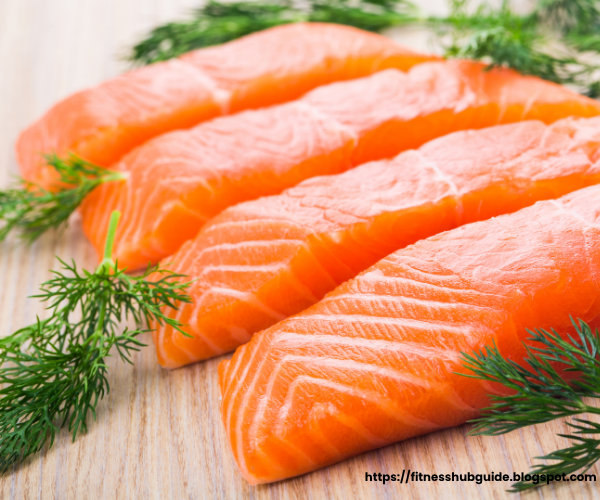
Salmon is one of the best sources of omega-3 fatty acids — specifically EPA and DHA — which have well-documented anti-inflammatory effects. After a hard training session, inflammation is a natural and necessary part of the recovery process, but excessive or prolonged inflammation slows repair and increases soreness. Omega-3s help regulate this inflammatory response, reducing the duration of post-workout soreness and improving the rate of tissue repair.
A review published in Biochemical Society Transactions (Calder, 2017) found that EPA and DHA directly modulate the production of pro-inflammatory cytokines and eicosanoids — the molecular signals that control inflammation. This is the same mechanism that makes omega-3 supplementation popular, but getting it from whole salmon is preferable because the fatty acids come packaged with 25g of high-quality complete protein per 100g, plus Vitamin D and B12, both of which are commonly deficient in athletes.
Vitamin D deserves particular attention: it supports muscle function, bone density, testosterone production, and immune health — and deficiency is associated with increased injury risk and reduced athletic performance. Most people who train indoors are not getting adequate sun exposure to maintain optimal Vitamin D levels, making dietary sources like salmon even more important. Aim for two servings per week minimum. Baked, grilled, or pan-seared with minimal preparation, it's one of the most complete single-food meals you can eat.
Per 100g: ~208 kcal · 25g protein · omega-3 (EPA + DHA) · Vitamin D
Eggs
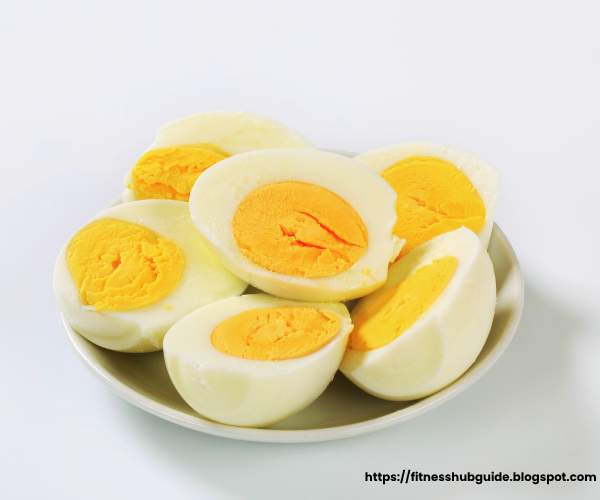
Eggs are one of the most nutritionally complete foods that exist. They contain all nine essential amino acids in proportions that your body can use with exceptional efficiency — which is why egg protein has historically been used as the reference standard (biological value of 100) when measuring protein quality of other foods. In practical terms, this means almost none of the protein in an egg is wasted; your body uses it effectively for muscle repair and synthesis.
The yolk is where most of the micronutrition lives, and skipping it is a mistake most fitness-conscious people make based on outdated cholesterol concerns. Current research does not support dietary cholesterol from eggs as a cardiovascular risk factor for healthy individuals. What the yolk does provide is significant: choline for neuromuscular function and cognitive performance, Vitamin D for muscle function and bone density, B vitamins (B12, B2, B5) for energy metabolism, and lutein and zeaxanthin for reducing inflammation.
From a practical standpoint, eggs are one of the fastest high-protein meals you can cook. Three eggs scrambled takes four minutes and delivers 18g of complete protein with a full micronutrient package. They're also one of the most affordable protein sources available — important when you're trying to sustain a high-protein diet over weeks and months, not just days. Scrambled, boiled, poached, or in an omelette with vegetables, they work at any meal of the day.
Per egg: ~70 kcal · 6g protein · all 9 amino acids · Choline · Vitamin D
Berries
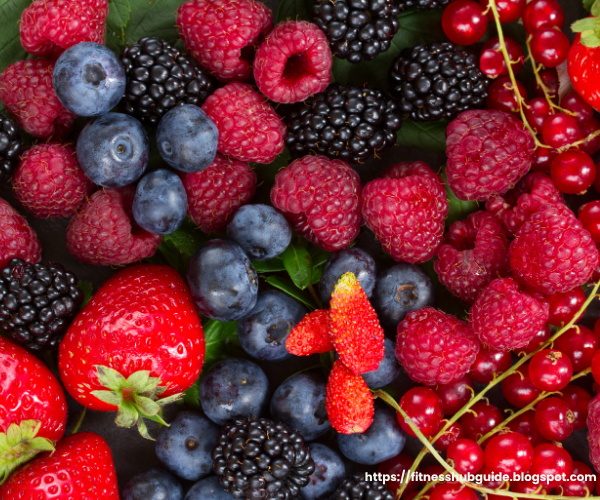
Blueberries, strawberries, raspberries — all of them are packed with anthocyanins, a class of polyphenolic antioxidants that reduce oxidative stress and inflammation in muscle tissue after training. Research has shown that regular berry consumption measurably reduces post-workout muscle soreness and speeds recovery, making them one of the few foods with direct evidence for performance-relevant benefits rather than just general health claims.
A study by Bowtell et al. found that tart cherry concentrate — high in the same anthocyanin compounds — significantly reduced markers of muscle damage and inflammation following intense exercise. Blueberries and mixed berries work through similar mechanisms, and their antioxidant profile also helps protect muscle cell membranes from oxidative damage during sessions. This is particularly relevant for athletes doing high-volume training where recovery between sessions is the limiting factor.
Beyond recovery, berries have a low glycemic index despite their natural sweetness, making them an ideal addition to meals or snacks where you want to manage blood sugar without eliminating sweetness entirely. They're also high in Vitamin C, which supports collagen synthesis — important for tendon and ligament health — and enhances iron absorption when eaten alongside non-heme iron sources like spinach or lentils. Add them to yogurt, oatmeal, protein shakes, or eat them on their own as a snack. Frozen berries retain essentially the same antioxidant content as fresh and are significantly more affordable year-round.
Key benefit: Anthocyanins reduce post-workout inflammation and muscle soreness
Oats
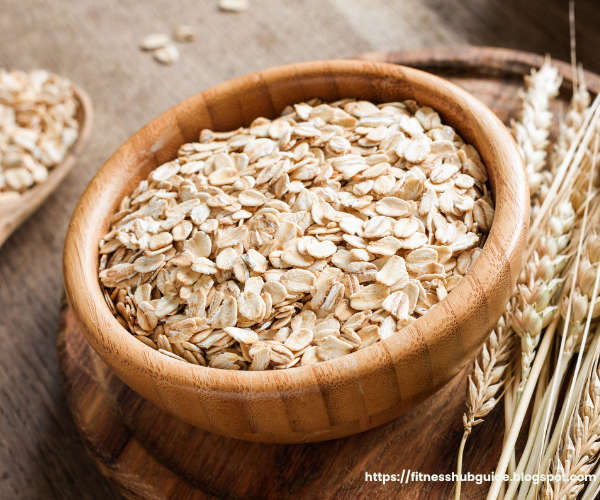
Oats are one of the best pre-workout carb sources available. Their beta-glucan fiber slows digestion, which means glucose enters the bloodstream gradually rather than spiking and crashing. That sustained energy release is exactly what you want going into a training session — stable blood sugar supports consistent effort output, better focus, and reduced fatigue toward the end of a workout.
The beta-glucan in oats has its own body of research: a meta-analysis published in the American Journal of Clinical Nutrition (Whitehead et al., 2014) confirmed its cholesterol-lowering effects, and beta-glucan also supports gut microbiome health by acting as a prebiotic — feeding the beneficial bacteria that improve nutrient absorption and immune function. For athletes, a healthy gut means more efficient use of everything else you eat.
Oats also contain more protein than most grains — around 13g per 100g dry weight — along with iron, magnesium, and zinc. They're one of the most cost-effective foods per gram of nutrition available, and they're extremely adaptable to different meal formats: traditional oatmeal, overnight oats (prepped the night before, no cooking required), blended into smoothies for added texture and carbs, or baked into snacks and energy bars. If you train in the morning and often skip breakfast because you don't have time to cook, overnight oats eliminate that excuse — they take three minutes to prepare the night before and are ready to eat straight from the fridge.
Per 100g dry: ~370 kcal · 13g protein · beta-glucan fiber · Iron · Magnesium
3 Things That Make the Difference
Stay hydrated
Your muscles are roughly 75% water. Dehydration — even mild at just 2% body weight — measurably reduces strength output, endurance, and cognitive function during training. Aim for 2–3 litres per day, more on training days, and consider adding a pinch of salt to your water if you sweat heavily. Don't wait until you're thirsty — thirst is already a sign you're mildly dehydrated.
Balance your meals
Every main meal should have a protein source, a carb source, and some healthy fat. That combination manages blood sugar, keeps you full for longer, fuels your training, and gives your body the building blocks it needs to repair muscle tissue. It doesn't need to be complicated — chicken, quinoa, and spinach with olive oil covers all three categories and takes 20 minutes to prepare.
Consistency beats perfection
Eating these foods 80–85% of the time and enjoying other things the remaining 15–20% will produce far better long-term results than trying to be perfect and burning out after three weeks. Sustainable nutrition built around whole foods, eaten consistently over months and years, is what actually changes how your body performs and looks. The occasional meal off-plan doesn't undo anything — chronic poor eating does.
None of these foods require expensive supplements, elaborate meal plans, or unusual cooking techniques. They're all accessible, affordable, and backed by a consistent body of research. The question isn't whether they work — it's whether you build the habit of actually including them in your regular diet.
Start with two or three of these that you don't currently eat regularly. Add them consistently for a month and track how your energy, recovery, and training performance feel. Nutrition changes tend to be slow and cumulative — the effects of eating better today compound over weeks into significantly better results. That's the real benefit of understanding what your food actually does.
Go deeper
Now that you know what to eat, the next step is understanding how much. That's where calories and macros come in.
Written by Younes Ouba — Founder of SpotyFlex. Full-stack developer and fitness enthusiast focused on strength training and science-backed nutrition.
Scientific References
- Phillips SM, et al. Dietary protein requirements and adaptive advantages in athletes. British Journal of Nutrition, 2012. PubMed ↗
- Ruales J, et al. Nutritional quality of the protein in quinoa (Chenopodium quinoa, Willd) seeds. Plant Foods for Human Nutrition, 1992. PubMed ↗
- Powers SK, et al. Exercise-induced oxidative stress: cellular mechanisms and impact on muscle force production. Physiological Reviews, 2008. PubMed ↗
- Res PT, et al. Protein ingestion before sleep improves post-exercise overnight recovery. Medicine & Science in Sports & Exercise, 2012. PubMed ↗
- Ludwig DS. The glycemic index: physiological mechanisms relating to obesity, diabetes, and cardiovascular disease. JAMA, 2002. PubMed ↗
- Ros E. Health benefits of nut consumption. Nutrients, 2010. PubMed ↗
- Calder PC. Omega-3 fatty acids and inflammatory processes: from molecules to man. Biochemical Society Transactions, 2017. PubMed ↗
- Ruxton CHS. The nutritional benefits of egg consumption. Nutrition Bulletin, 2004. Wiley ↗
- Bowtell JL, et al. Montmorency tart cherry concentrate reduces markers of muscle damage and inflammation following strenuous exercise. Applied Physiology, Nutrition, and Metabolism, 2011. PubMed ↗
- Whitehead A, et al. Cholesterol-lowering effects of oat β-glucan: a meta-analysis of randomized controlled trials. American Journal of Clinical Nutrition, 2014. PubMed ↗