


If you've ever tried to lose weight, you've definitely heard someone say:
"Just eat less."
And yeah technically that works.
But also? That advice has the same energy as telling someone to "just relax" when they're stressed. Like… okay thanks, super helpful 😅
Because what usually happens when people only focus on eating fewer calories?
- They're starving all the time
- They lose muscle
- They feel tired
- And eventually they end up face-first in a bag of cookies at midnight

That's where macro tracking for beginners comes in.
Instead of only worrying about calories, tracking macros helps you understand what your food is actually made of — so you can lose fat without losing your mind (or your muscles).
In this Spotyflex guide, we'll break down counting macros vs calories, how to calculate macros, and why flexible dieting might be the most realistic way to get lean long-term.
Quick TL;DR (Because We're Busy People)
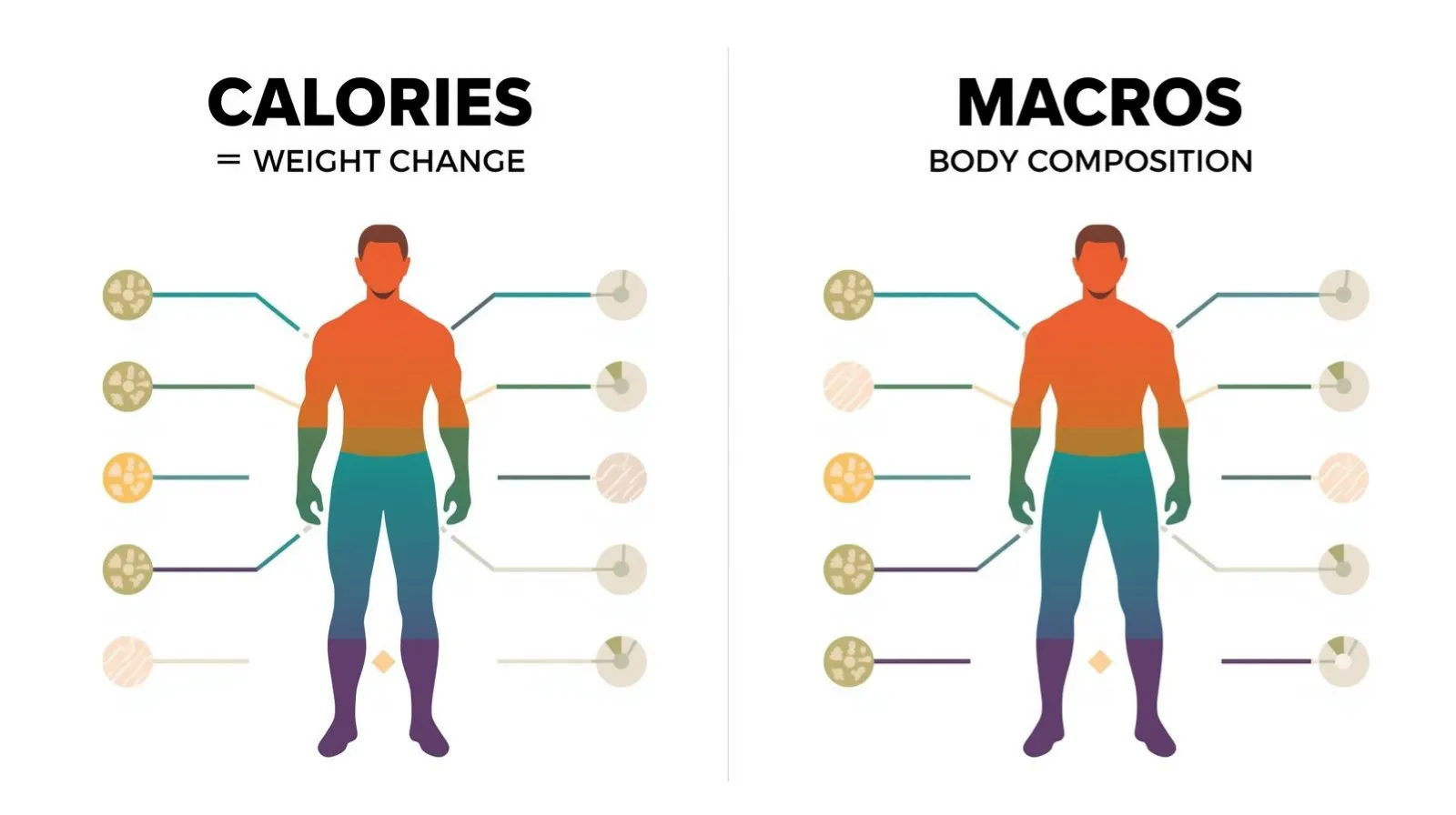
- Calories decide if you lose or gain weight.
- Macros decide what kind of weight you lose (fat vs muscle).
The Big Three:
- Protein = 4 calories per gram
- Carbs = 4 calories per gram
- Fat = 9 calories per gram
- You don't need perfection — being close is totally fine.
- Best tools: a food scale… or your hands if you hate math.
1. Why "Just Eat Less" Doesn't Always Work
Low-calorie diets sound good in theory.
But in real life?
They usually turn into:
- constant hunger
- mood swings
- losing muscle instead of fat
- the classic binge → regret → repeat cycle
Macros (short for macronutrients) are basically the main parts of your food:
protein, carbs, and fats.
And here's the cool part: macro tracking for beginners gives you freedom.
Instead of banning foods forever, you follow a flexible dieting style — also called the IIFYM guide (If It Fits Your Macros).
Yes, you can eat pizza and still lose fat.
No, the fitness police will not arrest you.
2. Calories vs Macros: What Actually Matters?
Let's clear this up:
Calories Still Matter
Fat loss comes down to one main rule:
If you eat fewer calories than you burn… you lose weight.
That's just science.
But Macros Shape Your Body
Here's where macros are the upgrade.
Two people can eat the same calories, but look totally different depending on their macros.
Macros help you:
- keep muscle
- stay full longer
- perform better in the gym
- avoid the "skinny fat" look
Protein Has a Secret Superpower
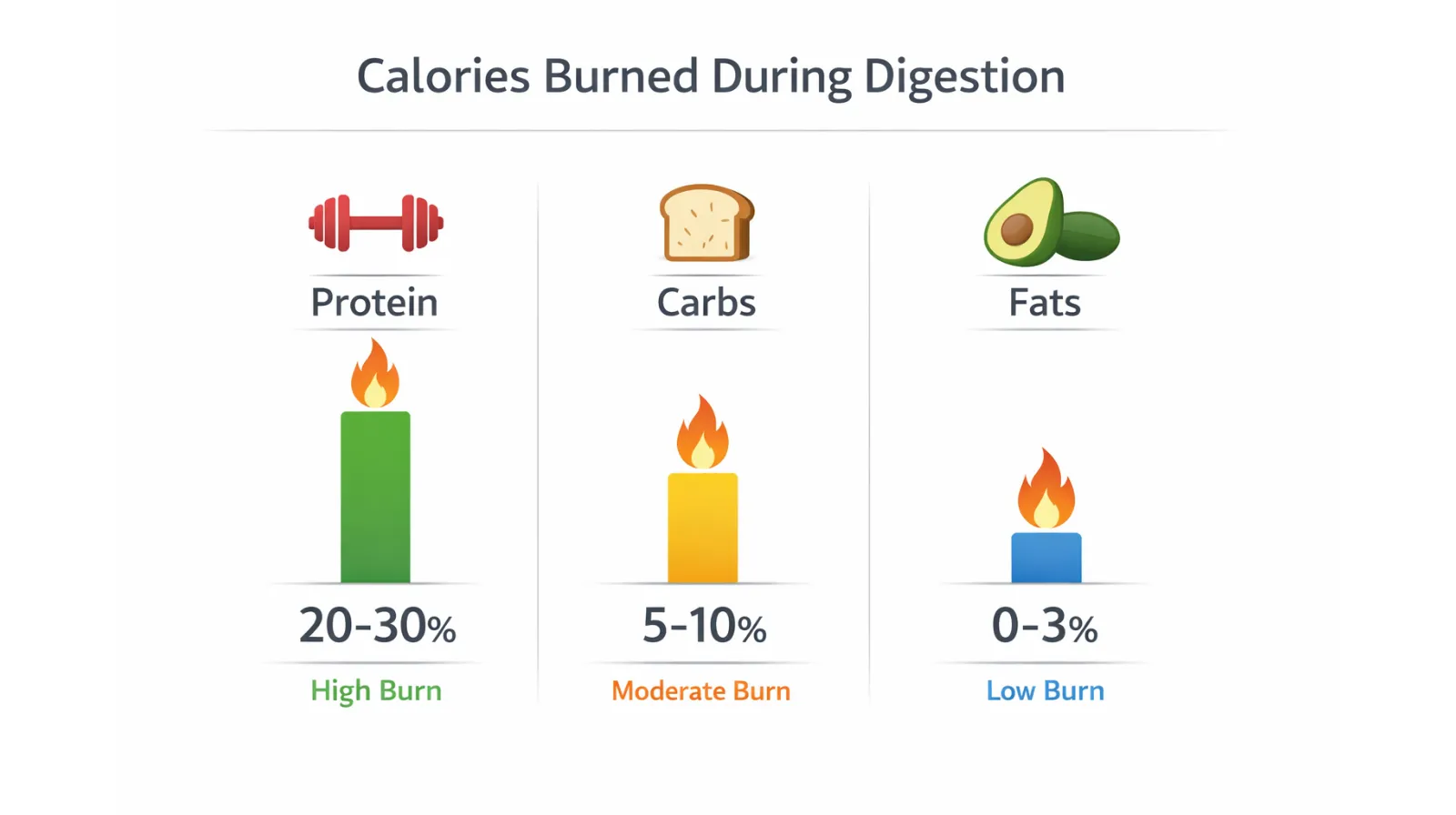
Protein actually burns more calories just by being digested.
Yep, your body works harder to break it down.
| Macro | Calories Burned Digesting It |
|---|---|
| Protein | 20–30% |
| Carbs | 5–10% |
| Fat | 0–3% |
So protein is basically doing cardio behind the scenes.
3. The Big Three Macros (Made Simple)
Macro tracking doesn't need to feel like a math exam. Here's the breakdown:
Protein (The Builder)
- muscle repair
- hormones
- staying full
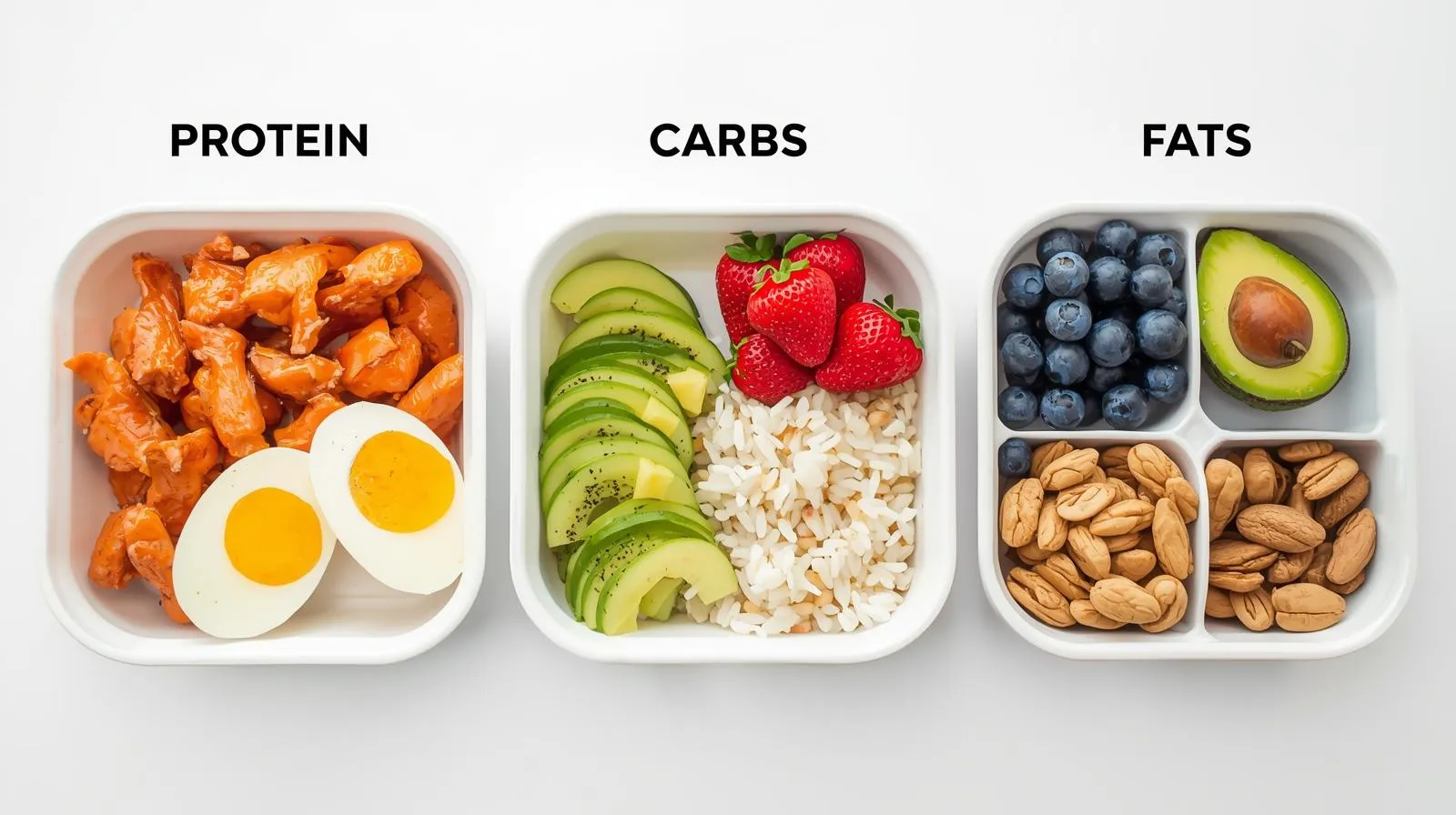
Best sources: chicken, eggs, fish, yogurt, tofu.
Carbs (The Fuel)
- workouts
- energy
- brain function (yes, your brain loves carbs)
Best sources: oats, rice, potatoes, fruit, whole grains.
Fats (The Hormone Helper)
- hormones
- absorbing vitamins
- healthy skin and hair
Best sources: olive oil, avocado, nuts, salmon.
4. How to Calculate Your Macros (Beginner Version)
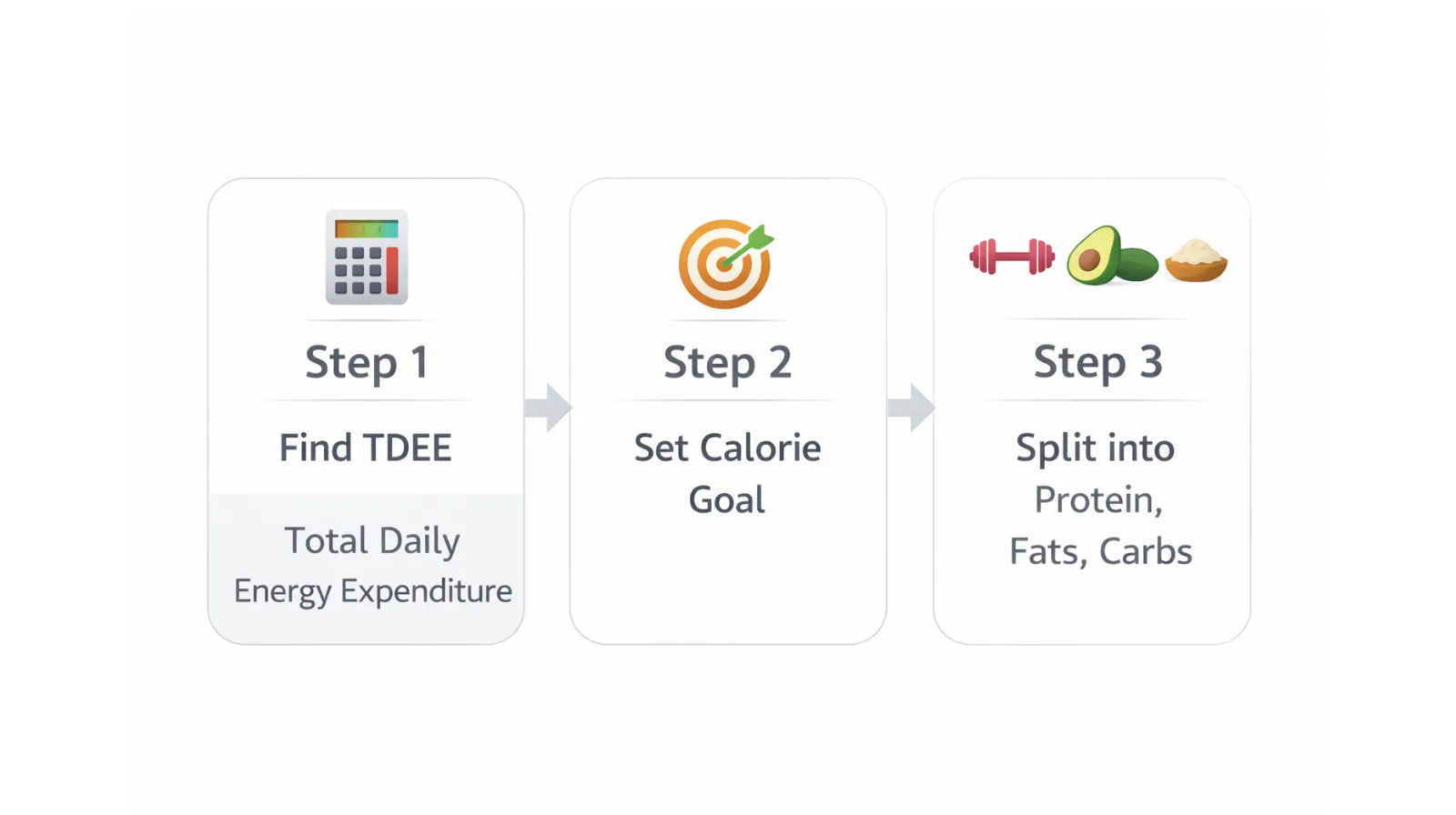
If you've been Googling how to calculate macros, here's the simple process:
Step 1: Find Your TDEE
TDEE is how many calories you burn per day.
Just use an online calculator. No need to suffer.
Step 2: Pick Your Goal
Fat loss → subtract 300–500 calories
Muscle gain → add 200–300 calories
Step 3: Set Your Macro Targets
Protein
Aim for 0.7–1.0g per pound of body weight
(or 1.2–2.0g/kg)
Fat
Usually 20–35% of your calories
Carbs
Whatever calories are left go to carbs
And boom — that's your starting point.
That's why macro ratios for weight loss are personal. There's no magic split.
5. Tracking Tools: Precision vs Real Life
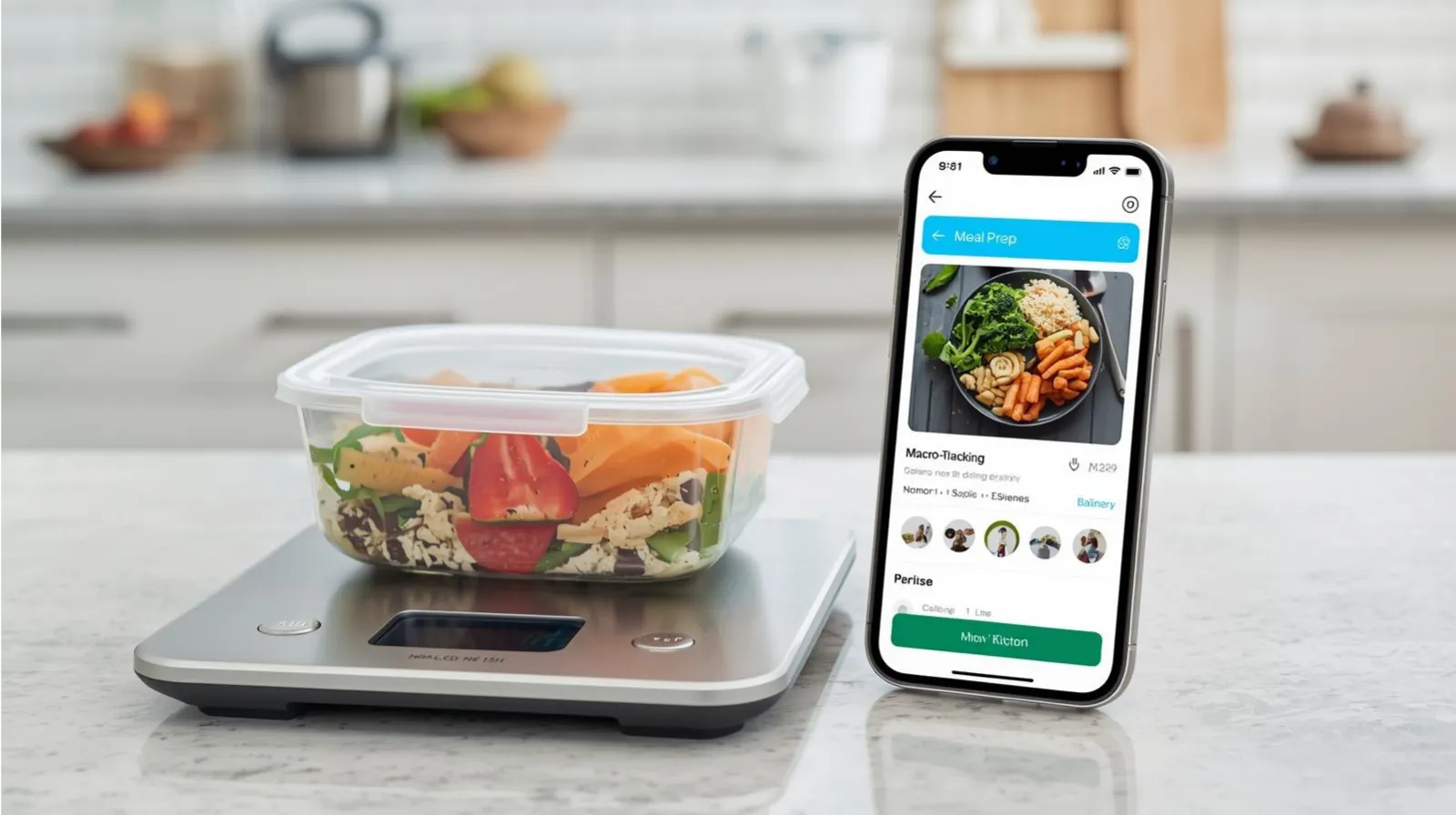
The Best Option (If You Want Accuracy)
- digital food scale
- apps like MyFitnessPal, Cronometer, MacrosFirst
This helps you learn fast.
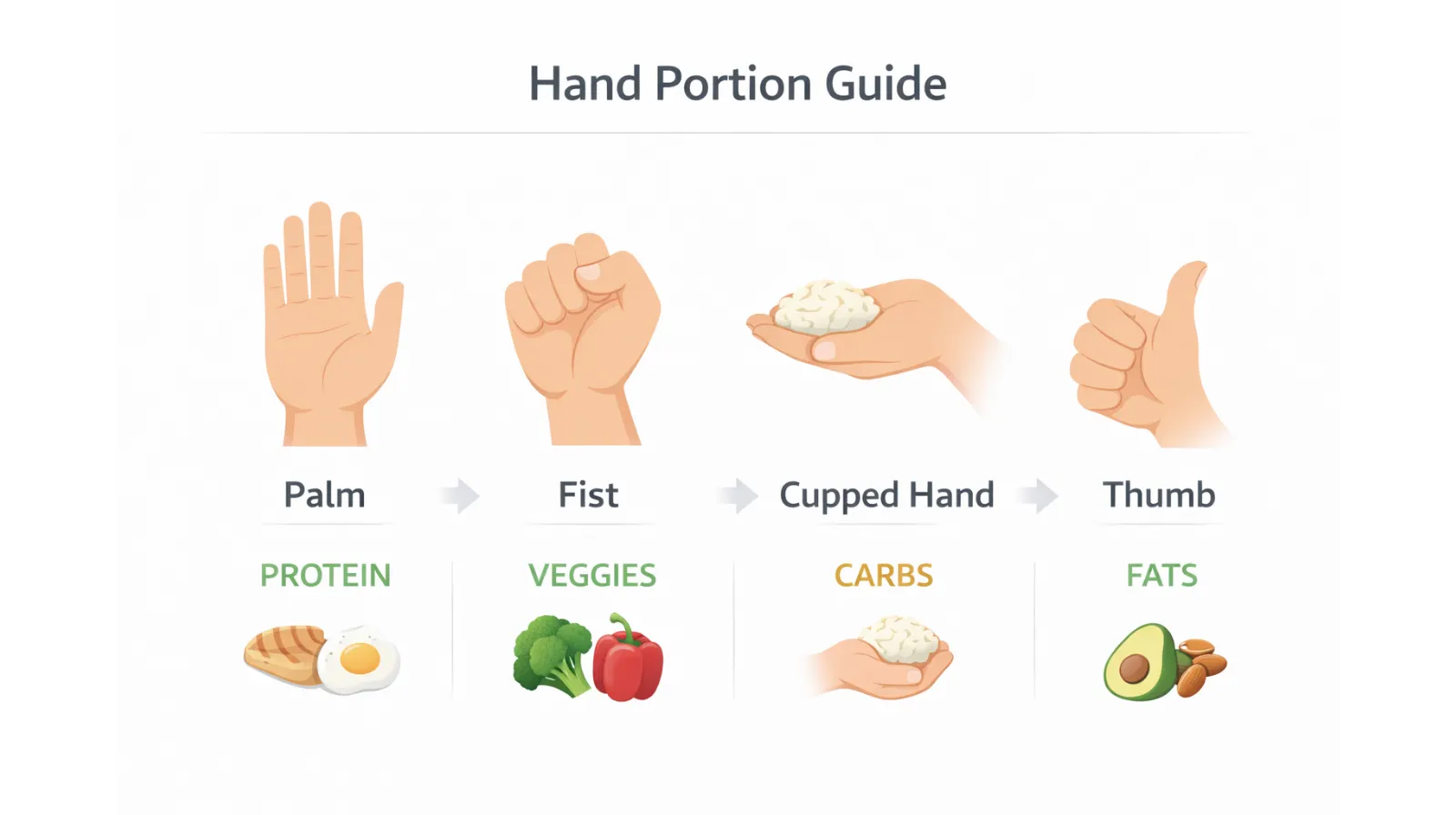
The Lazy-Friendly Hand Method
| Hand Size | Macro |
|---|---|
| Palm | Protein |
| Fist | Veggies |
| Cupped hand | Carbs |
| Thumb | Fats |
Flexible dieting without spreadsheets. Love that.
The 80/20 Grocery Rule
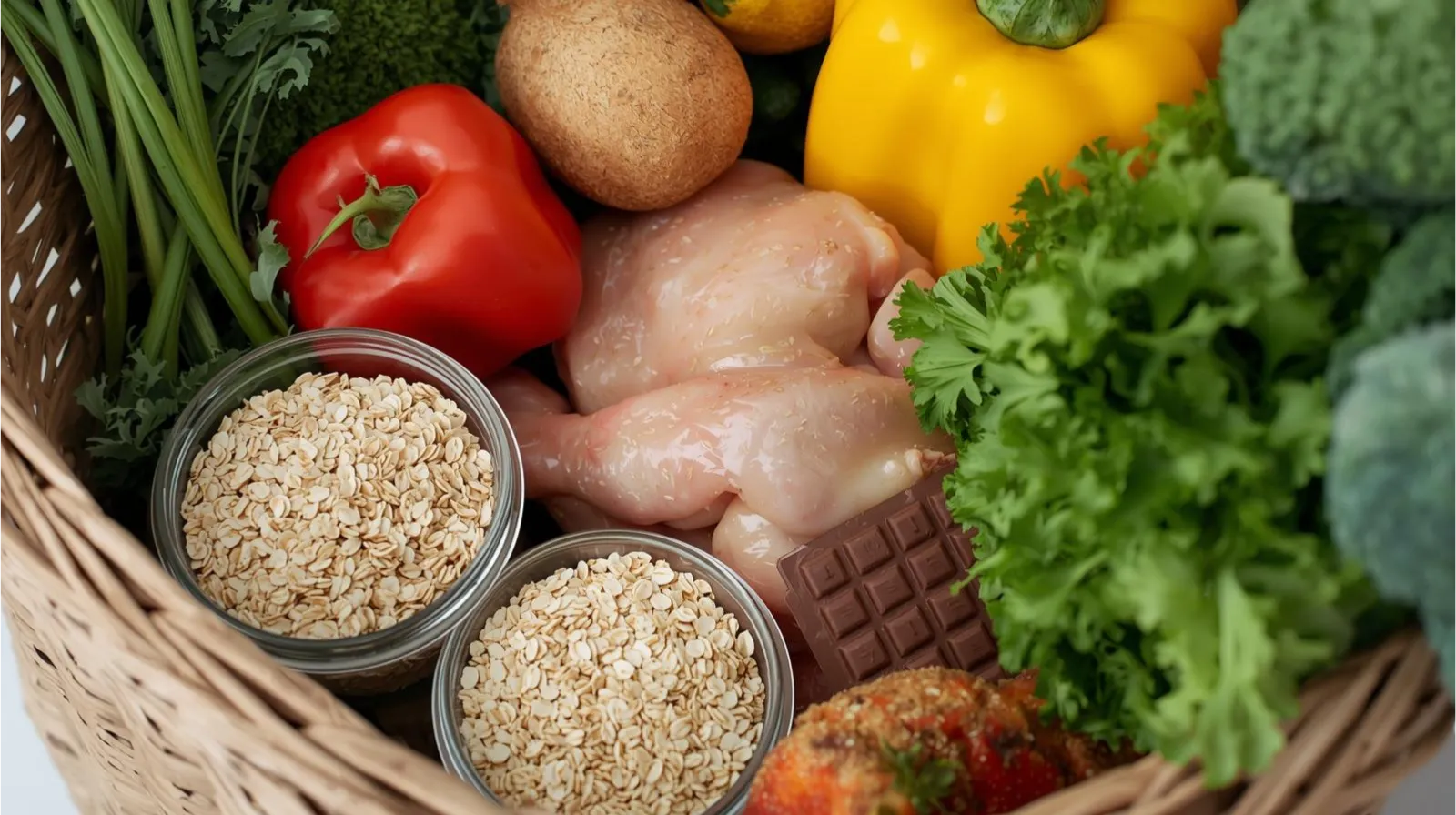
Eat mostly whole foods…
But leave room for fun stuff.
Fitness without enjoyment is just punishment.
6. Macro Tracking Tips That Actually Work
- Pre-plan meals — Log your food earlier so dinner isn't a panic game of "macro Tetris."
- Don't chase perfection — Close enough is more than enough.
- Watch sneaky calories — Oils, sauces, dressings add up FAST. One tablespoon of olive oil = 120 calories. That's basically invisible fat.
7. Common Beginner Mistakes
- The perfection trap — Being consistent beats being perfect.
- Eyeballing too soon — Portions are tricky until you've practiced. Use a scale for a few weeks to learn.
- Forgetting micronutrients — Macros shape your weight, but vitamins and minerals keep you healthy. Eat your veggies, friend.
Final Thoughts: Calories vs Macros?

Here's the truth:
Calories matter for weight loss.
Macros matter for fat loss that actually looks good.
Macro tracking is basically training wheels — it teaches you balance so eventually you don't need to track forever.
The best time to start? Right now. Your future self will thank you for the effort.
👉 Grab a macro calculator and start tracking today.
FAQ (Quick Answers)
Can I lose weight just counting calories?
Yes, but you might lose muscle too and end up "skinny fat."
What's the best macro ratio for weight loss?
A common start is 40% protein, 30% carbs, 30% fats, but it depends on you.
Do I need to track forever?
Nope. Most people track for a while, then eat intuitively.
Is alcohol a macro?
Technically yes (7 cal per gram)… but it's usually not part of macro plans.
One More Thing...
Drop a comment and tell me: Are you team calories or team macros? What's been your biggest nutrition struggle?
Want to go deeper? Here's where to start:
- Understanding Macros — Master the fundamentals
- Meal Plans — Done-for-you nutrition plans
- Articles — All our fitness guides
- Guides — Start your journey
Now go crush it. 💪
- Hall KD, Kahan S. Maintenance of lost weight and long-term management of obesity. PubMed — Medical Clinics of North America, 2018
- Helms ER, et al. A systematic review of dietary protein during caloric restriction in resistance trained lean athletes. PubMed — International Journal of Sport Nutrition, 2014
- Paddon-Jones D, et al. Protein, weight management, and satiety. PubMed — American Journal of Clinical Nutrition, 2008
- Westerterp KR. Diet induced thermogenesis. PubMed — Nutrition & Metabolism, 2004
Younes Ouba
Founder of SpotyFlex, Full-Stack Developer & lifelong fitness enthusiast. I build the platform and the content. The goal is always the same: real fitness knowledge, zero BS.

/1.webp)
